Breaking Down the IEP: What Every Parent Needs to Know
Feb 27, 2026
Expert IEP Care Team

If you've ever sat in an IEP meeting and felt like everyone was speaking a different language, you're not alone. As parents who have navigated the special education system for our own children, we know what it feels like to stare at a document full of jargon and wonder if what's written actually reflects your child.
The Individualized Education Program, the IEP, is the most important document in your child's education. It's not just paperwork. It's a legally binding agreement between you and the school about what your child needs and what the school is required to provide. So let's break it down, section by section.
Present Levels of Performance (PLOP) This section describes where your child is right now, academically, socially, and functionally. It should include data, not just opinions. If it says "Johnny is making progress" but doesn't say what that progress looks like in measurable terms, push back. You want specifics.
Annual Goals These are the targets your child is working toward over the next year. Good goals are measurable, specific, and tied to your child's actual needs. "Johnny will improve reading" is not a goal. "Johnny will read 60 words per minute with 90% accuracy by the end of the year" is.
Services and Supports This is where it gets real. This section spells out exactly what your child will receive: speech therapy, occupational therapy, specialized instruction, a one-on-one aide, whatever they need. Pay attention to frequency and duration. "Speech services" is vague. "30 minutes of speech therapy twice per week in a pull-out setting" is what you want to see.
Accommodations and Modifications Accommodations change how your child learns, things like extended time on tests, preferential seating, or text-to-speech tools. Modifications change what your child is expected to learn. These are different, and both matter. Make sure the accommodations listed actually match what your child needs in the classroom daily, not just during testing.
Least Restrictive Environment (LRE) The law says your child should be educated alongside their non-disabled peers to the maximum extent appropriate. This section explains how much time your child spends in general education versus a separate setting and why. If your child is being pulled out of gen ed, there should be a clear, data-based reason.
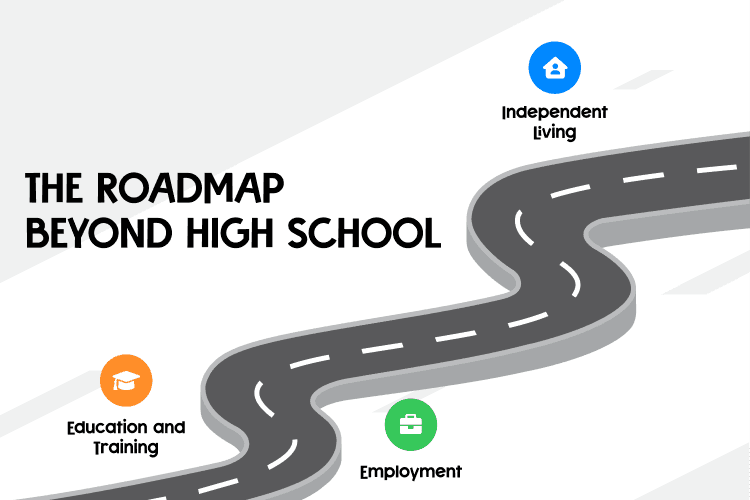
Transition Planning If your child is 16 or older (or younger in some states), the IEP should include transition goals for what happens after high school. This covers employment, independent living, and post-secondary education. Don't wait until senior year to start this conversation.
What We Want You to Remember You are an equal member of the IEP team. Not a guest. Not an observer. The law gives you a seat at that table, and your input matters as much as anyone else's in that room. If something in the IEP doesn't make sense to you, ask. If it doesn't reflect your child, say so. And if you need help understanding what you're looking at, that's exactly why Expert IEP exists.