Transition Planning: Preparing Your Child for Life After High School
Mar 23, 2026
Expert IEP Care Team
If your child has an IEP and is approaching their teenage years, there's a section of the document you need to pay close attention to: transition planning. This is where the IEP shifts from focusing solely on academics to preparing your child for life after high school, whether that means college, vocational training, employment, or independent living.
Too many families don't hear about transition planning until it's almost too late. We don't want that to be you.
What Is Transition Planning?
Transition planning is a required part of the IEP that maps out how your child will move from high school into adulthood. Under the Individuals with Disabilities Education Act (IDEA), transition planning must begin no later than the IEP that is in effect when your child turns 16. Some states start as early as 14, so check your state's requirements.
This isn't a one-time conversation. It should be revisited and updated at every annual IEP meeting once it begins.
What Should Be Included?
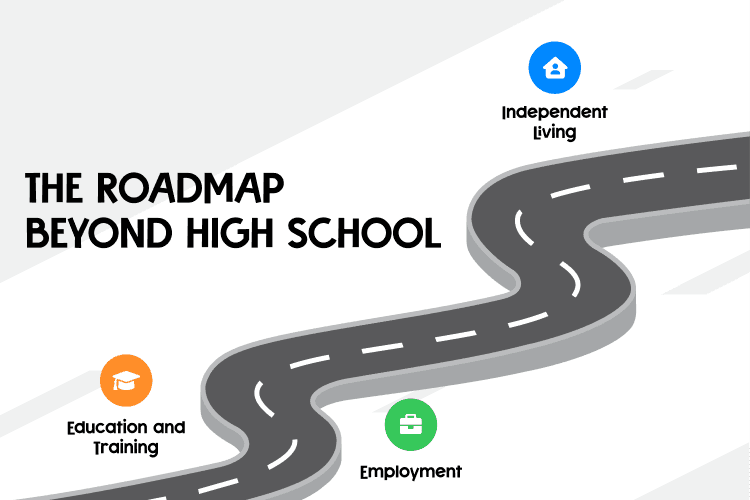
A strong transition plan addresses three key areas:
Education and training after high school. Will your child pursue a two-year or four-year college? A certificate program? Vocational training? The plan should identify what's needed to get there, including coursework, assessments, and any supports your child will need in a post-secondary setting.
Employment. What kind of work does your child want to do? The plan should include goals around job exploration, skills development, internships, or supported employment. This is not about limiting your child. It's about giving them a roadmap.
Independent living. This covers daily life skills like managing money, using transportation, self-advocacy, cooking, and maintaining a home. Not every student will need goals in this area, but for many, this is the piece that makes the biggest difference long term.
What Parents Should Look For
The transition plan should be based on your child's strengths, interests, and preferences, not just their disability label. If your child loves animals, the plan should explore career paths connected to that. If your child wants to go to college, the plan should include preparation for that, not default to a sheltered workshop.
Look for measurable goals, just like the rest of the IEP. "Student will explore career options" is too vague. "Student will complete two job shadowing experiences in animal care settings by the end of the school year" gives you something real to track.
Also pay attention to who is responsible for each part of the plan. Transition involves coordination between the school, outside agencies like vocational rehabilitation, and your family. If the plan doesn't name who is doing what, it's just words on paper.
Your Child's Voice Matters Most
Here's something a lot of parents don't realize: your child should be invited to their own IEP meetings once transition planning begins. This is their future. Their interests, their goals, and their input should be driving the conversation.
If your child isn't comfortable speaking up in a meeting, work with them beforehand. Help them write down what they want. Practice what they might say. Or ask the team to find other ways to include their voice, like a survey or a video.
The whole point of transition planning is to move your child toward self-determination. That starts by including them now.
Don't Wait
If your child is 14 or older and you don't see transition goals in the IEP, bring it up at the next meeting. Ask specifically what assessments have been done to identify your child's post-secondary interests. Ask what agencies should be involved. Ask what the timeline looks like.
And if you're not sure where to start, Expert IEP can help you understand what should be in your child's transition plan and how to advocate for what's missing.